Jamaican Food Inspiration for Home Cooks
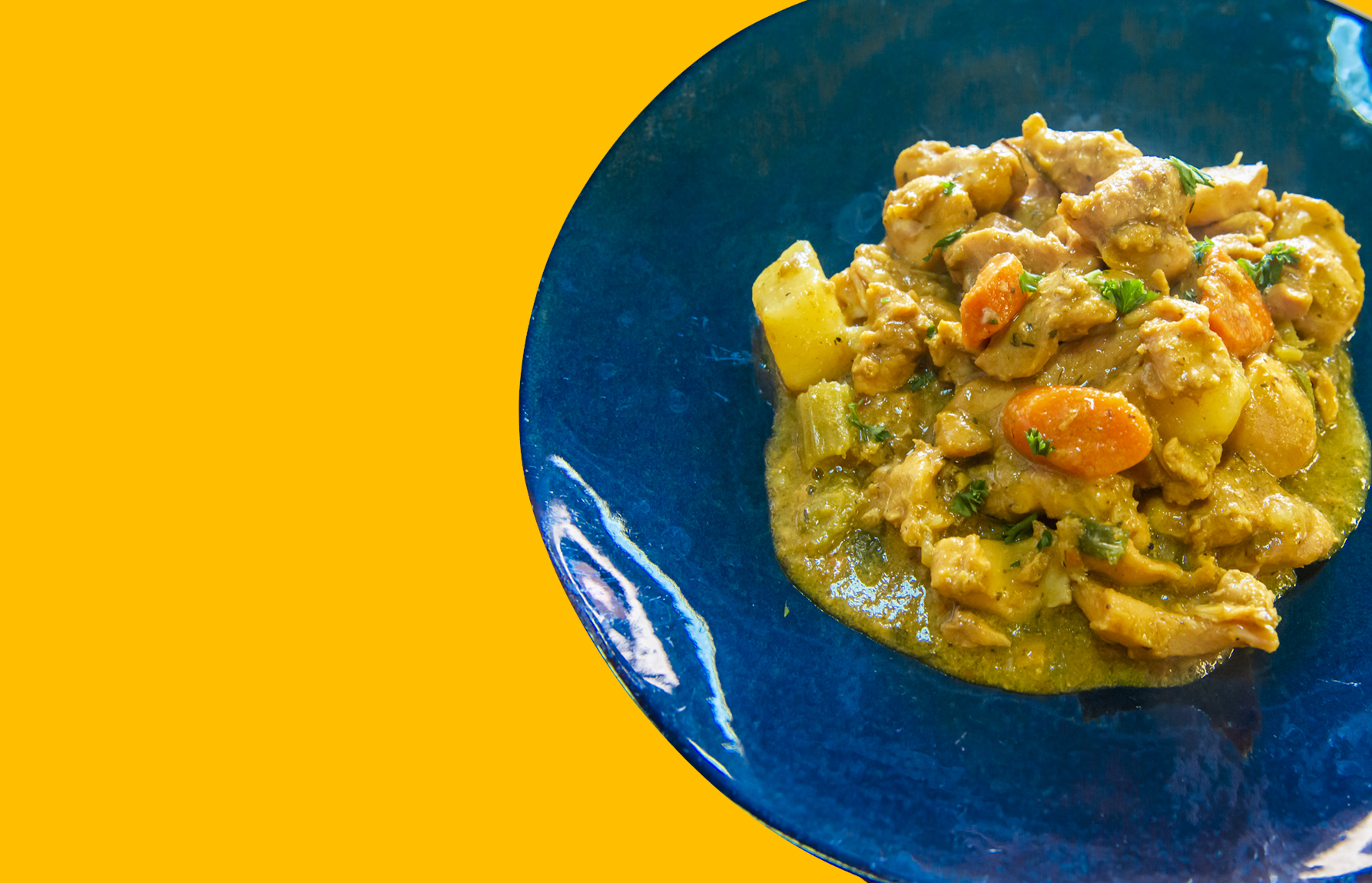
Jamaican food has a way of waking up a kitchen. Even before the first bite, it announces itself through scent: thyme hitting hot oil, scallion and onion softening in the pan, allspice giving off its warm, almost sweet perfume, Scotch bonnet bringing its unmistakable heat. Good Jamaican cooking does not rely on novelty or trend. It relies on balance, timing, and confidence with seasoning. For home cooks, that makes it especially rewarding. You do not need a restaurant setup or a backyard drum grill to start cooking with Jamaican influence. You need a little understanding of how the flavors fit together and the willingness to taste as you go.
A lot of people first encounter Jamaican food through jerk chicken, patties, or rice and peas, and those dishes deserve their reputation. Still, they represent only part of the picture. Home-style Jamaican cooking is broad and practical. It includes braised meats, comforting soups, quick saltfish sautés, vegetable sides with plenty of character, and breakfasts that can carry you through half the day. It is food shaped by local ingredients, African roots, colonial history, Indian and Chinese influence, and a very strong sense of what makes a meal satisfying.
For the home cook, that breadth is useful. It means inspiration can come from techniques as much as recipes. A weeknight dinner can borrow the seasoning structure of jerk without trying to replicate a traditional pimento wood fire. A pot of beans and rice can take on Jamaican character through coconut milk, thyme, scallion, and the restrained use of a whole chile. A vegetable dish can become more vivid with one spoonful of green seasoning and a pinch of allspice. Once you understand the framework, Jamaican food stops feeling distant and starts feeling usable.
Start with the flavor grammar
Every cuisine has a kind of internal grammar, the combinations that make it sound like itself. In Jamaican cooking, a few ingredients show up again and again because they build that signature profile. Scallion, thyme, garlic, onion, Scotch bonnet, ginger, allspice, and black pepper are central. Browning sauce appears often in stews, mostly for color and a gentle bittersweet depth. Soy sauce, vinegar, and ketchup also show up in some home kitchens and restaurant marinades, reflecting the practical, syncretic nature of the cuisine rather than any rigid purity test.
The key is not simply to collect the ingredients, but to use them with judgment. Scotch bonnet is a good example. It is not there only to make food hot. Whole, pierced, or finely chopped, it can add fruitiness and aroma. If you split one chile and let it simmer in a pot of rice and peas, the dish changes completely, even if the final heat level stays moderate. Home cooks who fear spice often miss that point and leave it out entirely. Better to use less and keep the flavor.
Allspice matters just as much. Many people know it only in baking, where it can read like cinnamon and clove. In savory Jamaican food, it behaves differently. It gives jerk its deep warmth, helps stews taste rounded rather than flat, and ties together sweet, hot, and earthy notes in a way few other spices can. If your marinade tastes aggressive or one-dimensional, allspice is often what is missing.
Then there is thyme, one of the quiet heroes of the cuisine. Fresh thyme, especially, does a remarkable amount of work in stocks, rice, braises, and sautés. It is not decorative. It is structural. The same goes for scallion, which is more than a garnish and often forms part of the aromatic backbone.
The home pantry that opens the door
A Jamaican-inspired meal becomes much easier when a few staples are already in the kitchen. You do not need to shop for an entire new culinary identity. You need enough to produce the right flavor direction on demand.
- allspice, dried thyme, black pepper, and nutmeg
- scallions, onions, garlic, ginger, and Scotch bonnet or another fruity hot chile
- coconut milk, dried beans or canned beans, and long-grain rice
- soy sauce, vinegar, browning sauce, and a neutral cooking oil
- fresh herbs and citrus, especially thyme and lime
That pantry will take you surprisingly far. It can support jerk-style marinades, stewed chicken, callaloo-inspired greens, rice and peas, fried plantain, and several kinds of soups. If you cannot find every ingredient, substitute carefully rather than broadly. Habanero can stand in for Scotch bonnet better than jalapeño because the fruitiness is closer. Ground allspice can work when whole berries are unavailable, though its flavor dissipates faster. Dried thyme is fine in a pinch, but fresh changes the fragrance of the dish.
Jerk is a method of seasoning, not just a menu item
Jerk tends to dominate conversations about Jamaican food, and for understandable reasons. Done well, it is one of the great seasoning traditions in the world. But for home cooks, the most useful way to think about jerk is not as a single dish but as a flavor system. At its core, jerk combines heat, allspice, thyme, scallion, and savory depth. From there, every cook adjusts.
Some jerk pastes lean wetter and greener, packed with fresh herbs and blended aromatics. Others include more dry spice and read darker after cooking. Some have pronounced sweetness from brown sugar. Others keep sweetness minimal and let smoke do more of the work. If you have only had bottled supermarket jerk sauce, you may be surprised by how alive a fresh marinade tastes. Fresh scallion and thyme lift the profile, while allspice and chile keep it grounded.
For a home kitchen, chicken thighs are a practical place to begin. They stay moist, take seasoning well, and tolerate high heat. A real charcoal grill with pimento wood is wonderful, but not mandatory. You can roast, broil, or grill over gas and still make something deeply satisfying if the marinade is balanced and the cooking is assertive enough to char the exterior in spots. In fact, one common mistake is being too gentle. Jerk should not look timid. It should have dark edges and real intensity.
There is also a temptation to marinate forever. Overnight is usually plenty for chicken. Much longer, especially with salty ingredients, can muddy the fresh notes and alter the texture. Pork can go longer. Fish and shrimp should go much shorter. That kind of adjustment is where good home cooking lives, in attention to the ingredient rather than blind loyalty to a rule.
Rice and peas teaches restraint
Rice and peas may be the most misunderstood dish in Jamaican food, partly because the name confuses people outside the Caribbean. In Jamaican usage, the “peas” are usually kidney beans or gungo peas, depending on the preparation and season. The dish looks simple, but it exposes weak technique quickly. Too much coconut milk and it turns heavy. Too much thyme and it tastes medicinal. Too much liquid and the grains bloat instead of steaming properly.
When it is right, rice and peas is fragrant, separate, and quietly rich. The coconut supports rather than dominates. The beans are integrated, not https://marcotlmh582.dovetailscope.com/posts/jamaican-food-recipes-full-of-heat-sweetness-and-spice dumped on top at the end. The thyme, scallion, and whole Scotch bonnet perfume the pot. You taste each component, but the overall impression is harmony.
For home cooks, this dish offers a broader lesson. Jamaican food often gains power through moderation, not excess. A whole chile simmered in the pot has more elegance than a flood of hot sauce. A few sprigs of thyme can do more than a handful. One of the reasons the best Jamaican home cooking feels so assured is that it trusts a small number of ingredients to pull their weight.
If you cook rice often, adapting your usual method is straightforward. Use the liquid from cooked beans if you have it, add coconut milk for part of the total liquid, include scallion and thyme, and let a whole chile steam with the grains. If your rice tends to run soft, reduce the liquid slightly, because coconut milk can change how the starches absorb. These are not dramatic changes, but they shift the dish into a different register.
Stew, brownness, and the importance of color
Stewed chicken is one of the great weeknight-friendly dishes in the Jamaican repertoire. It is practical, flavorful, and forgiving. The process usually begins with seasoning the chicken well, often with green aromatics and dry spices, then browning it before simmering with onions, peppers, and a modest amount of liquid. What distinguishes it from generic braised chicken is the flavor of the seasoning and the color development.
Browning sauce, when used carefully, contributes that characteristic dark mahogany look. It can also introduce bitterness if overdone. This is where experience matters. A teaspoon too little and the stew may look pale. A tablespoon too much and the balance shifts in the wrong direction. If you are unsure, go light and let searing do more of the work. Well-browned chicken skin and caramelized onions create complexity no bottled product can replace.
I have seen many home cooks crowd the pan and then wonder why their stew tastes flat. The answer is almost always moisture. If the chicken releases too much liquid at the browning stage, you lose the deep roasted notes that make the final sauce compelling. Brown in batches if needed. It takes longer, but it changes the dish from acceptable to memorable.
The finished sauce should not be watery. It should cling lightly, somewhere between broth and glaze, carrying the sweetness of onion, the savoriness of the chicken, and the warmth of the seasonings. Serve it with rice and peas, plain rice, or even roast vegetables if that is what your household already prefers. The point is not to perform authenticity for its own sake. The point is to cook with integrity and understanding.
Breakfast deserves more attention
When people talk about Jamaican food at home, breakfast often gets overlooked, which is a shame because it reveals the cuisine’s practical intelligence. Ackee and saltfish is rightly famous, with its soft curds of ackee and savory flakes of cod brought together with onion, tomato, pepper, and herbs. It is rich without being greasy when handled properly, and it benefits from gentle cooking. Overstir it and the ackee breaks down. Overseason it and the delicate texture gets lost.
Even if ackee is not easy to find where you live, the approach behind the dish can still inspire breakfast cooking. Salted fish paired with mild vegetables, fresh herbs, and chile creates contrast and depth. It turns a morning meal into something substantial. Fried dumplings, boiled green bananas, and sautéed callaloo each show another side of Jamaican breakfast, one that values stamina and flavor in equal measure.
For a home cook used to toast and eggs, borrowing one idea can be enough. Sauté spinach or kale with scallion, thyme, onion, and a little hot pepper, then serve it beside eggs and roasted sweet potatoes. It is not a traditional Jamaican breakfast, but it carries the spirit of one. That is a more useful kind of inspiration than copying a plate without understanding why it works.
Plantain, starch, and the architecture of the plate
One reason Jamaican food feels so satisfying is that the plate is built thoughtfully. There is often a protein with strong seasoning, a starch to absorb juices and provide ballast, and something fresh or vegetal to sharpen the edges. Plantain appears in this architecture as both side dish and tonal shift. Ripe plantain brings sweetness and caramelization that can calm spicy food and lighten heavily savory dishes. Green plantain behaves more like a starch, suitable for boiling, frying, or mashing.
The biggest mistake with ripe plantain is impatience. If the skin is only yellow, you may get firmness and a little sweetness, but not the soft, honeyed interior people expect. Wait until there is significant black mottling. Then fry over moderate heat so the natural sugars brown without burning. A rushed pan will char the outside while the center stays underdeveloped.
The same principle applies more broadly across Jamaican cooking. Time matters. Let the onions soften fully. Let the marinade sit long enough to penetrate. Let the rice steam after the heat is off. Home cooks often look for exotic ingredients when what they actually need is patience in familiar steps.
Soups, porridges, and the comfort side of Jamaican cooking
There is another dimension to Jamaican food that deserves more airtime in home kitchens, and that is comfort cooking. Chicken soup with yellow yam, pumpkin, dumplings, and herbs can be restorative in the truest sense. Cornmeal porridge, often seasoned with cinnamon and nutmeg, shows how breakfast can also be a form of comfort. Mannish water, red pea soup, and pumpkin soup each reveal a cuisine deeply fluent in simmering, thickening, and building body from modest ingredients.
These dishes matter because they counter the stereotype that Jamaican food is all fire and grill marks. It can be bold, certainly, but it can also be soothing and soft-edged. For home cooks, soups and porridges are some of the easiest entry points because they allow room for adjustment. If you cannot find yellow yam, use another starchy root with the understanding that texture will differ. If you prefer a lighter soup, reduce the dumplings or use less dense vegetables. You are still learning from the method.
Texture is important here. Jamaican soups are often hearty enough to qualify as a full meal. The broth is not an afterthought. It should have body and depth, usually from bones, root vegetables, split peas, or prolonged simmering. If your soup tastes thin, salt may not be the only missing element. It may need more extraction, more starch, or simply more time.
How to bring Jamaican flavor into ordinary weeknight cooking
You do not have to cook a textbook Jamaican menu to benefit from Jamaican food traditions. In fact, many of the best adaptations happen in regular household meals. Roast a tray of chicken thighs seasoned with thyme, allspice, garlic, scallion, black pepper, and chile. Stir coconut milk, beans, and thyme into your usual rice pot. Add a spoonful of green seasoning to braised vegetables. Grill pork tenderloin with a jerk-style rub and serve it with a pineapple and cucumber salad. None of that is complicated, but all of it can shift dinner away from routine.
The best sequence for a Jamaican-inspired meal at home is usually this:
- Build a fresh seasoning base with scallion, thyme, onion, garlic, and chile
- Decide whether the dish needs heat, smoke, sweetness, or richness most
- Use allspice carefully, enough to be present but not enough to dominate
- Cook assertively enough to create color and concentration
- Balance the plate with starch and something bright or fresh
That sequence matters because Jamaican food is rarely random. The dishes may feel exuberant, but they are usually structured. There is a reason acidic slaw or a squeeze of lime helps with rich meats. There is a reason a mild starch belongs next to peppery gravy. There is a reason fresh herbs are added at more than one stage. Once you see those relationships, improvisation becomes easier.
A note on authenticity and confidence
Home cooks can get tangled up worrying whether a dish is “authentic enough.” That anxiety is understandable, especially when cooking from a culture not your own. The better question is whether you are treating the cuisine with seriousness and care. Are you learning the ingredients that matter? Are you paying attention to the balance of flavor? Are you avoiding lazy shortcuts that flatten the dish into caricature? Those standards are more useful than chasing some impossible idea of perfection.
At the same time, context matters. If you are making ackee and saltfish, the ingredient itself carries cultural weight, and it is worth understanding the dish rather than casually rebranding it. If you are applying jerk-inspired seasoning to roasted cauliflower or turkey burgers for a Tuesday dinner, calling it Jamaican-inspired is honest and enough. Precision in language shows respect.
Confidence comes from repetition. Cook one rice pot until you know exactly how coconut milk behaves in your saucepan. Make one jerk marinade several times and adjust the allspice, salt, and sugar until it tastes like something you would proudly serve. Fry plantains until you can tell by color alone when they are ready. This is not glamorous advice, but it is how real kitchen fluency develops.
What Jamaican food teaches beyond recipes
The lasting lesson of Jamaican food for home cooks is not just about spice blends or signature dishes. It is about cooking with intensity and clarity at the same time. Strong flavors are welcome, but they are not thrown together carelessly. Heat should mean something. Sweetness should support. Herbs should brighten and deepen. Browning should create character, not just color. The meal should feel complete, with each component answering the others.
That is a valuable lesson in any kitchen. It helps you season beans more intelligently, roast meats with more purpose, and compose plates that eat well rather than simply look abundant. Jamaican food rewards appetite, but it also rewards attention. Once you start cooking with its principles in mind, even your ordinary dinners can feel more alive.
For home cooks looking for inspiration, that may be the greatest gift of all. Jamaican food does not ask for perfection before it gives pleasure. It asks for curiosity, seasoning, and a little nerve. Put thyme on the cutting board, crack the allspice, let the pan get hot, and trust your senses. The kitchen will tell you the rest.
Reggae Pot Jamaican Grill
2243 S Monaco St Pkwy #104
Denver, CO 80222
+1 720-410-2956
FAQ About jamaican food
What is the best Jamaican food to try in Denver?
The best choice depends on your tastes. Popular options include jerk chicken, curry goat, slow-cooked oxtail, and savory patties. Reggae Pot lists these dishes on its menu, with sides such as rice and peas and plantains. Ask the Denver team about current availability and spice levels.
Is Jamaican food very spicy in Denver?
Heat varies by dish and preparation. Jerk seasoning often includes scotch bonnet peppers alongside herbs and allspice, while other dishes may have gentler seasoning. Ask about the heat of the specific dish and any sauce before ordering.
What are some popular Jamaican snacks?
Jamaican patties are a popular snack made with flaky pastry and savory meat or vegetable fillings. Other options include fried dumplings and festival, a sweet fried dough often served with savory dishes. Availability varies, so check the current menu when ordering.
Ends · MILOSPFK966